



T-works Pile Driving Machinery Grand View - (2) Mighty Hammer Pile Driver vs. Hydraulic Static Pile Driver user manual
In the vast stage of construction, pile driving machinery plays a crucial role as the solid foundation for high - rise buildings. Today, we'll focus on two representative types: the hammer pile driver and the hydraulic static pile driver, deeply analyzing their features and exploring their unique charms in different construction scenarios.
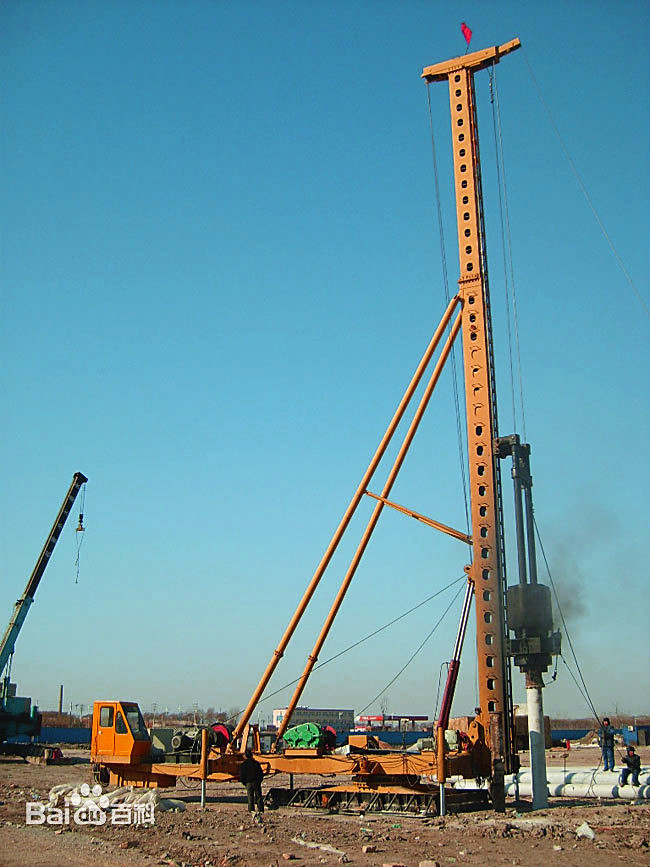
The hydraulic static pile driver, like an elegant gentleman, shows its charm in a unique way. It uses the hydraulic system to provide continuous and stable pressure to press the precast pile into the ground slowly and precisely.
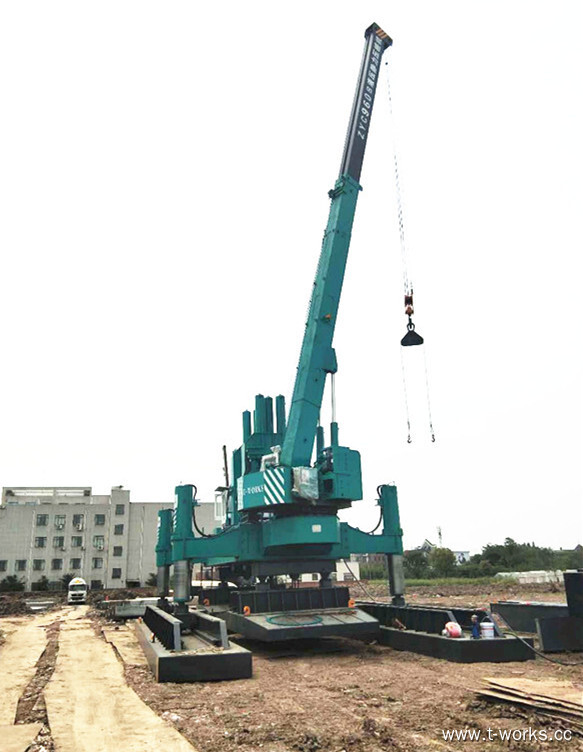
3. Comparison: Each Has Its Merits and Suits the Occasion
Comparison Dimension | Hammer Pile Driver | Hydraulic Static Pile Driver |
|---|---|---|
Driving Forces | Instantly erupted impact kinetic energy (like a shock wave), acting on the pile body instantly to quickly break through stratum resistance. | Continuous and stable pressure (like a jack), slowly pressing the pile body into the ground. |
Environmental Protection | Generates high noise (over 100 decibels) and severe vibration, which may disturb residents and damage nearby buildings/underground pipelines. | Produces almost no noise or vibration, making it ideal for urban sensitive areas (residential/commercial zones). |
Pile Body Damage Risk | High risk of damage (e.g., cracks, pile head breakage) due to large stress from strong impacts. | Low risk of damage; slow, even pressure application ensures uniform stress on the pile body. |
| Applicable Strata | Excels in hard strata (e.g., hard soil, dense sand, gravel layers) due to strong impact force. | Performs well in relatively soft strata (e.g., soft soil, silty soil); struggles with overly hard strata. |
If the hammer pile driver is compared to "forging iron", completing the task quickly by relying on strong impact force, then the hydraulic static pile driver is like a "jack", achieving the goal in a stable and precise way. In actual construction, we need to reasonably select the appropriate pile driving machinery according to specific construction scenarios, stratum conditions, environmental protection requirements and other factors, so that they can each exert their maximum value and jointly ensure the smooth progress of construction projects.

PRODUCTS

T-works will provide not only reliable piling machinery products but also excellent and efficient service.