


T-works Pile Driver Academy Science Series 3: Solving Pile Tip Bearing Layer Issues
Tianwei Pile Driver Academy Science Series 3: Diagnosis and Solutions for Pile Tip Bearing Layer Failing to Meet Design Requirements
Problem Phenomena
The pile tip fails to penetrate into the bearing layer specified in the design, or the penetration depth is insufficient. This significantly weakens the bearing capacity of the pile foundation, potentially leading to safety hazards such as uneven settlement and tilting of buildings.
Cause Analysis
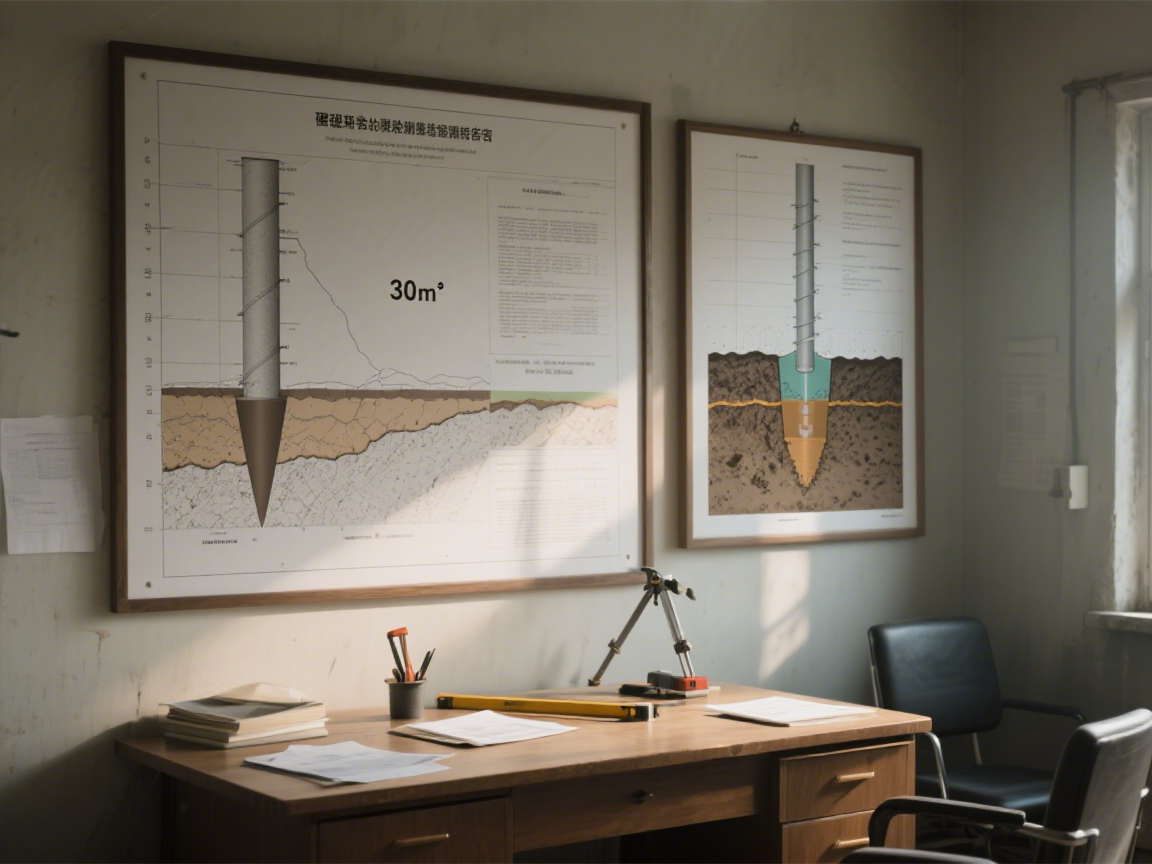
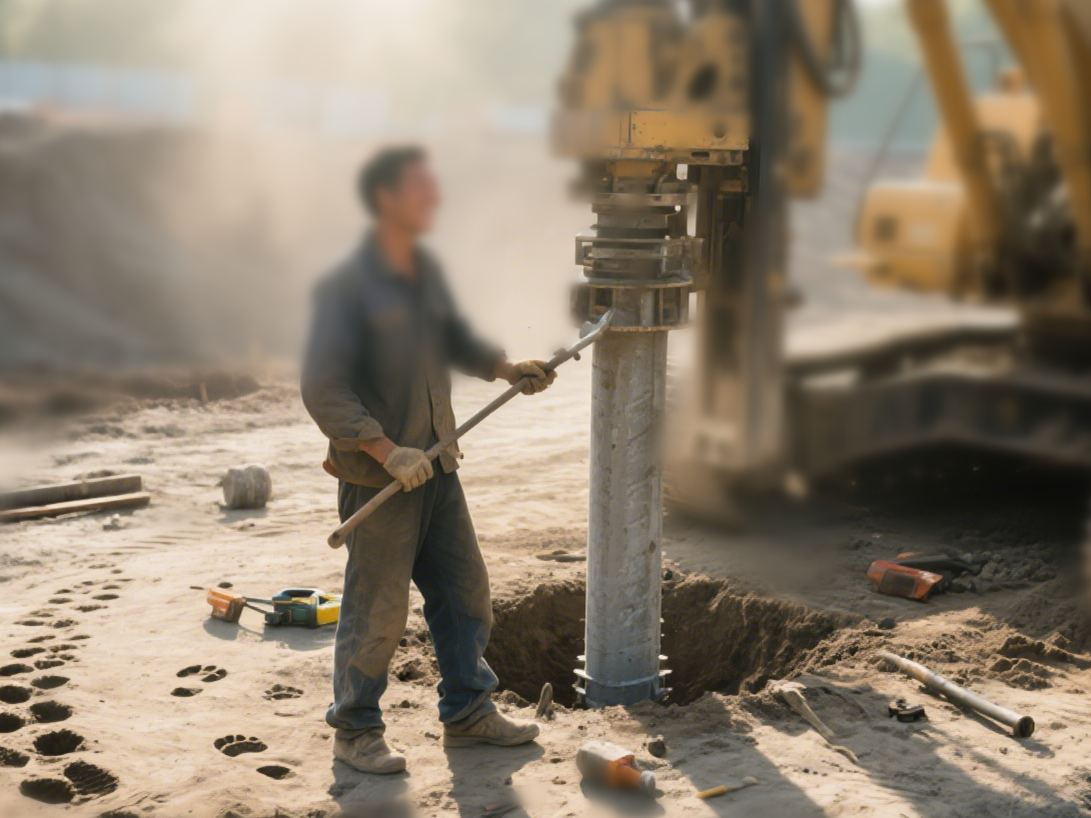
Self-inspection Methods
1. Construction Monitoring: Continuously record data such as pile penetration depth and penetration resistance (penetration volume per 10 blows), compare with the soil layer distribution curve in the survey report, and mark abnormal change points.
2.Post-construction Inspection: Use core drilling to bore from the pile top to 1-3 meters below the pile tip. Analyze the bearing layer's rock/soil type and compactness through core samples to determine compliance with design strength requirements.
Solutions
Pre-construction Review: Assemble an expert team to cross-verify the survey report. Conduct supplementary surveys (e.g., static cone penetration test, advanced borehole) in complex geological areas to refine design parameters.
Implement "dual control indicators"—when the pile length approaches the design value, use penetration resistance as the final criterion (e.g., average penetration ≤20mm for the last 10 blows of a diesel hammer) to prevent premature hammering stop.
If the bearing layer fails inspection, options include adding supplementary piles to enhance overall bearing capacity; re-driving existing piles to greater depths; or using base-enlarging techniques (e.g., blasting/mechanical base expansion) for end-bearing piles to increase the bearing area.
Tianwei Pile Driver Academy continues to deliver essential expertise in pile foundation construction, strengthening the cornerstone of industry engineering quality!

PRODUCTS

T-works will provide not only reliable piling machinery products but also excellent and efficient service.