



T-works Pile Driver Academy - Construction Compulsory Course 4: Abnormal Temperature Rise in Hydraulic System
I. Problem Phenomenon
During the construction process, the oil temperature of the hydraulic system shows a gradual upward trend, going beyond the normal operating temperature range, which is generally between 30–60°C. Once the temperature exceeds this range, the performance of the hydraulic oil will be affected, such as reduced viscosity, increased leakage, and accelerated component wear, ultimately impacting the overall efficiency and service life of the hydraulic system.
II. Cause Analysis
Unreasonable Power Matching
The power matching of the hydraulic system is of great significance. If it is not reasonable, it will cause the system to run under high load for a long time. For example, if the power of the hydraulic pump is too large or too small for the actuators, it will lead to inefficient operation of the system, generating a large amount of heat and causing the oil temperature to rise.
Hydraulic oil viscosity is a key factor affecting the internal friction of the system. When the viscosity is not properly selected, for instance, using oil with too high viscosity in a low - temperature environment or oil with too low viscosity in a high - load working condition, it will cause an increase in internal friction during the flow of hydraulic oil in the pipeline and components, converting mechanical energy into heat energy and raising the oil temperature.
The cooling system plays a vital role in controlling the oil temperature of the hydraulic system. If there are problems such as blocked cooling water pipelines, the coolant cannot circulate effectively, resulting in poor heat dissipation. In addition, if the speed of the cooling fan is insufficient, it cannot take away the heat in the hydraulic oil in time, which will also cause the oil temperature to rise.
III. Self - inspection Method
Temperature Monitoring
To regularly check the oil temperature of the hydraulic system, a thermometer can be installed at the oil tank or hydraulic oil radiator. By monitoring the temperature data, we can timely detect the abnormal rise of the oil temperature, so as to take corresponding measures.
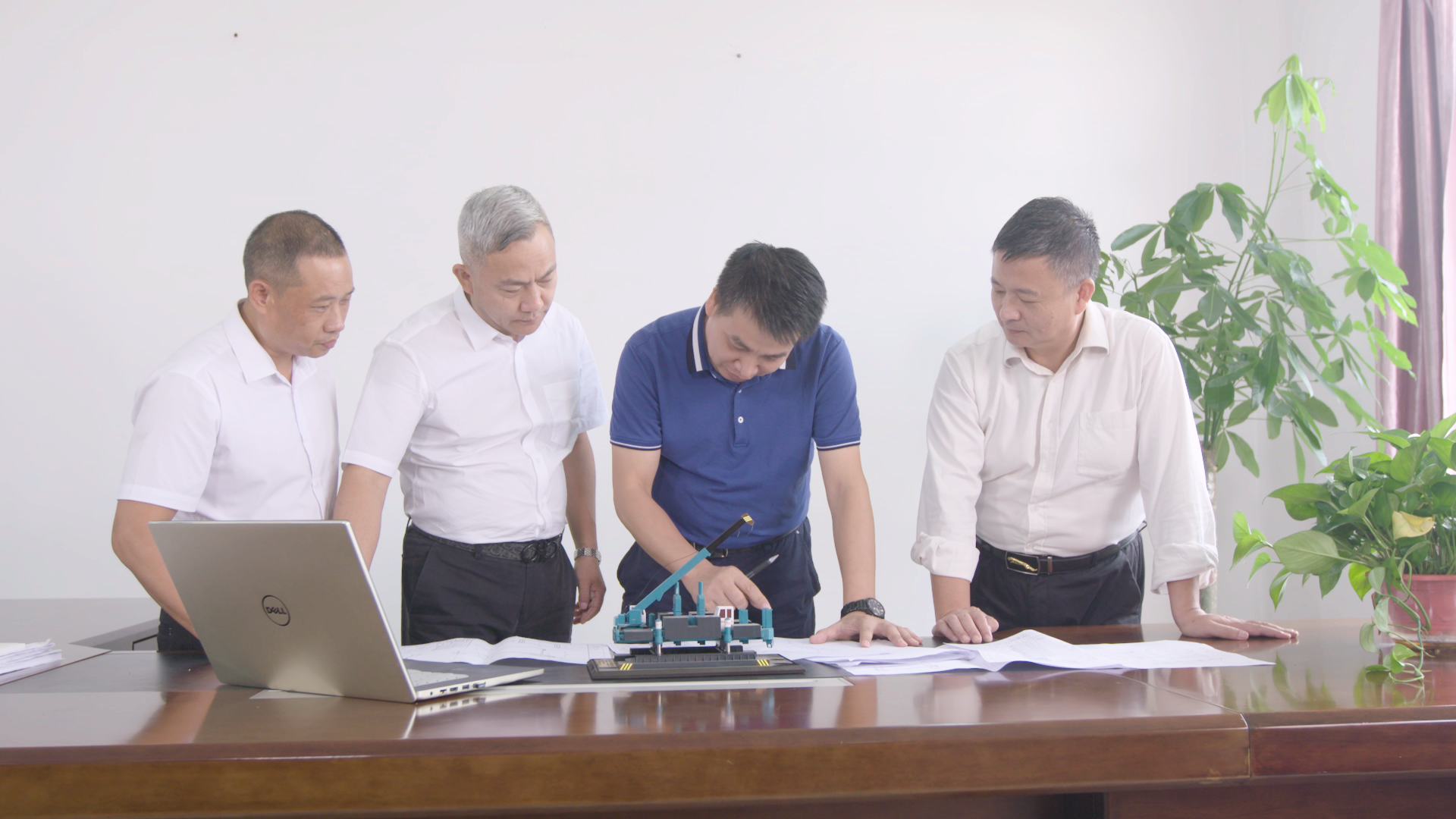
Observe the operation of the cooling system. Check whether there are blockages or leaks in the cooling water pipelines. A blocked pipeline will reduce the coolant flow, and a leak will lead to a decrease in the coolant volume, both of which will affect the heat dissipation effect. At the same time, check whether the cooling fan is running normally. If the fan fails to run or the speed is insufficient, it needs to be repaired or adjusted in time.
IV.Solution Ideas
Reasonably adjust the working parameters of the hydraulic system to avoid long - term high - load operation. According to the actual working conditions, adjust the pressure, flow, and other parameters of the hydraulic pump and actuators to make the system operate in a more efficient and energy - saving state, reducing unnecessary heat generation.
Select hydraulic oil with appropriate viscosity according to the ambient temperature and system requirements. In different seasons and working environments, choose hydraulic oil with corresponding viscosity grades to ensure that the oil has good fluidity and lubricity in the system, reducing internal friction and heat generation.
Regularly clean the cooling system, dredge the cooling water pipelines, and remove dirt and impurities in the pipelines to ensure smooth coolant circulation. At the same time, check the belt tension and motor speed of the cooling fan. If the belt is loose, adjust it in time; if the motor speed is abnormal, repair or replace the motor to ensure that the cooling fan has good heat dissipation performance.
V. Series Preview & After-Sales Commitment
This concludes our first episode of the Tianwei Pile Driver Construction Science Series. In the upcoming installments, we will delve into more practical topics, such as pile driving force optimization under complex strata and emergency handling of pile foundation failures. Stay tuned for continuous insights into intelligent construction technology!
After-Sales Service Guarantee As a trusted partner in the industry, Tianwei is committed to providing 7×24-hour on-site guidance and after-sales support for all our equipment. Our technical team of certified engineers ensures rapid response to construction challenges, from equipment debugging to process optimization.
Why Choose Tianwei?


Trust Tianwei, Trust Made in China. Let’s build a safer, more efficient foundation together.

PRODUCTS

T-works will provide not only reliable piling machinery products but also excellent and efficient service.